What is foliar feeding?
Foliar feeding gives plants a direct boost of nutrients through their leaves. This happens via thousands of microscopic pores on leaf surfaces. These openings, called stomata (Greek: stoma, meaning “mouth”), are located primarily on the underside of leaves. Their position helps prevent clogging from dust and other environmental contaminants, and also reduces the risk of fungal spores entering.
The primary function of stomatal openings is to permit gases containing carbon, hydrogen, and oxygen to enter the plant. These are then used to manufacture sugars during photosynthesis. Conversely, stomata allow water vapour to escape from the plant. In most cases, stomata close at night because carbon dioxide absorption is unnecessary when photosynthesis is not taking place. Stomata may also close on hot, dry days, in heavy winds, or when the soil becomes dry.
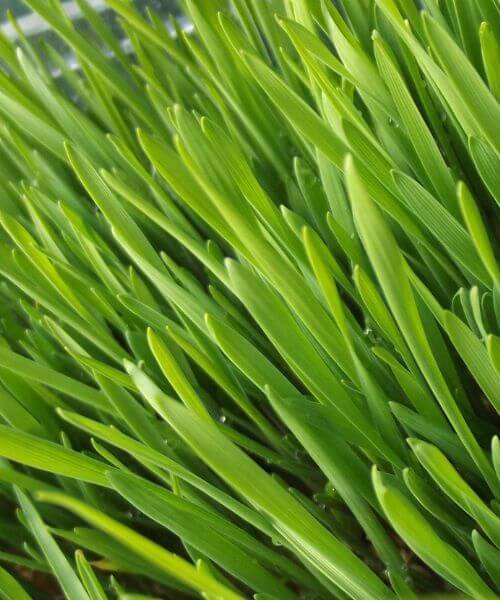

We can use these stomatal openings to help increase a plant’s growth, health, and overall production through the application of fertilizer in the form of a foliar spray. Stomata are able to absorb dissolved nutrients and minerals and translocate them to the parts of the plant where they are needed.
Foliar feeding is a proven, efficient method of correcting nutrient deficiencies and boosting plant development at specific physiological stages.
In this method of fertilization, nutrient solutions are sprayed directly onto the plant leaves. Foliar feeding can supply the nutrients required for normal crop development in cases where root absorption is suboptimal. Certain plant growth stages are especially important in determining final yields.
Foliar feeding with fully water‑soluble fertilizers at these critical stages can dramatically increase yields and improve quality. Because nutrient uptake through foliage is considerably faster than through roots, foliar sprays are also the method of choice when rapid correction of nutrient deficiencies is required.
Hygrotech offers a large range of water‑soluble fertilizers such as Hygroboost Flo, Nitrospray Plus, Maize Plus, Calmabon Plus, Potaspray, Fosfaspray, and many more. Seaweed extract contains an abundance of trace minerals as well as growth hormones that can quickly stimulate plant growth through cell division, enlargement, and elongation. Plant hormones called cytokinins, which increase the speed of cell division, are particularly important. Nothing can replace feeding the soil, but foliar applications can be a valuable addition at certain times of the year or as a strategy to remedy nutrient deficiencies until the soil is able to supply them. Supplementary foliar feeding may also be necessary annually in some soil and climate conditions. For example, in cold soils, foliar fertilizer may be needed each spring to supply nitrogen, phosphorus, and other essential nutrients until the soil warms up and nutrients become available.
Asco Gro, and Millerplex, are seaweed extract fertilizers available in our range.
When to Foliar Spray
The best time to spray is late in the afternoon or early in the morning, when temperatures are mild and wind is minimal. When wind is low, finely atomized sprays drift readily — this is ideal. Absorption is further enhanced when weather conditions are humid and moist. The presence of dew on leaves also facilitates foliar feeding. Absorption is maximized when sprays coat the underside of leaves, where the majority of stomata are located. Avoid spraying when temperatures exceed 30°C or onto wilted plants, as this can reduce uptake and damage the plants.
For detailed foliar feeding programmes on all crops, contact your local Hygrotech representative. (Adapted from an article on: drearth.com/learning-center/projects/foliar-feeding)